

ACTION ALERT: Speak Up for Shasta River Salmon!

Updated: Apr 24

The California State Water Resources Control Board decides how water in our rivers is shared between farms, cities, and fish. Right now, they are deciding how much water must stay in the Shasta River to protect salmon by establishing baseline minimum flows.
The Water Board is planning to study whether the river needs more water, but the lowest flow amounts they are planning to study are lower than what scientists say salmon can survive in the summer. When flows drop that low, the water gets so warm that it can kill fish. The Water Board is studying temperatures that scientists already know are dangerous, which is our biggest concern.
Key Facts
80% of recent years, Shasta River Coho salmon were below the depensation threshold (number needed to survive as a species).
Chinook salmon have had more than 90% decline since the 1930s, from 81,000 fish to about 7,000.
Shasta River is still the most important Chinook salmon spawning stream in the upper Klamath River, producing up to 30% of Klamath Basin Chinook salmon.
What happens in the Shasta River affects fishing communities all along the California coast through commercial fishing harvest quotas or closures that are set based on salmon population estimates.
Three years in a row, California's commercial salmon fishing has been closed, costing fishing families more than $45 million in 2023 alone, all because wild salmon numbers were so low.
The Key Issue
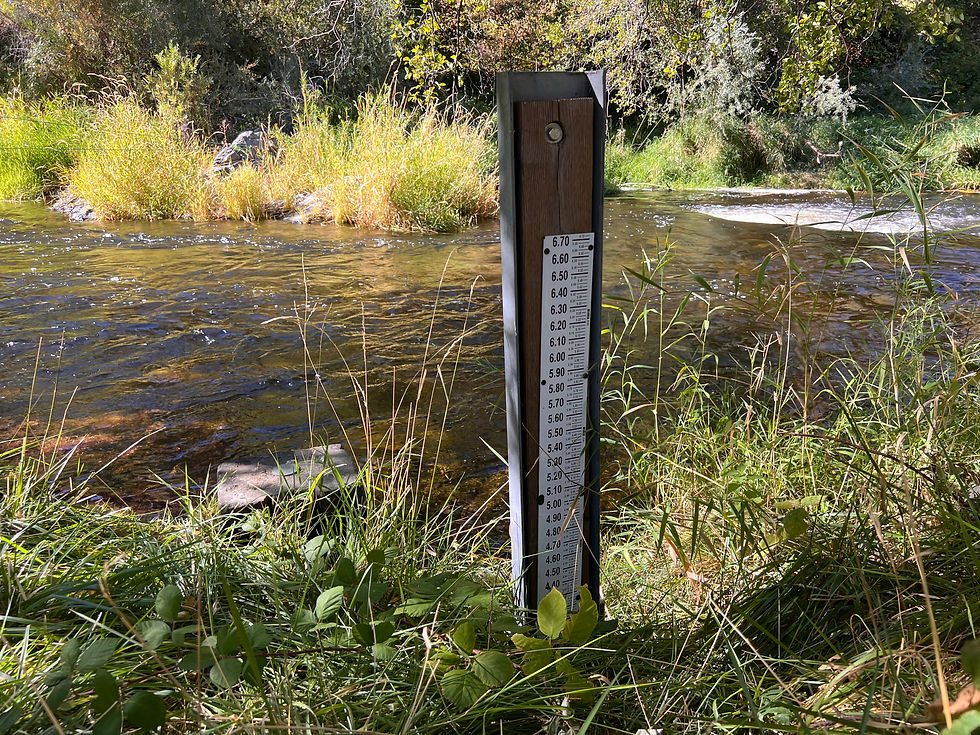
In summer, the Water Board's plan includes studying river flows as low as 40 cfs (cubic feet per second). A new scientific study released in March 2026 by Applied River Sciences and Trout Unlimited found that flows below 50 cfs create a "high risk of warming beyond temperatures that can kill salmon," especially during warm weather. The Water Board is planning to only study flows from 40-70 cfs in the summer that are already known to be dangerous to fish. That needs to change. Beyond that, if nearly all its water were not diverted, flows through the summer would be between 150 and 300 cfs. By failing to assess the positive impacts of restoring more of the full unimpaired flow of the river, and flow steps in between, the SWRCB won’t even know what is being lost when they ultimately select a permanent flow value from the limited range they studied. By focusing on the lower end of flows, they are biasing the outcome strongly in favor of maximizing agricultural diversions before they even start. The only reason available science recommends 70 cfs in summer is that no one has been able to study what the higher flows would do–such flows have not existed since before 1920. But what we do know is that in many ways, the habitat improvement curve up to 70 cfs shows no sign of leveling off.

The River's Cold Springs are Being Ignored
The Shasta River has special cold-water springs where very cold groundwater from Mount Shasta snow melt bubbles up from underground. These springs are incredibly important because they keep parts of the river cool enough for salmon to survive even in hot summers. Additionally, this ultra-clear springwater in the Shasta allows the sun to penetrate the water column and allows for specialized aquatic plant species to proliferate, which provides food for macroinvertebrates (up to 80,000/ sq meter!!!), which salmon feed on. Protection of those springs from groundwater extraction is a hidden but necessary outcome of this process.
Scientists say that protecting these cold springs is one of the most important things we can do for salmon. But the Water Board's plan for how much water must flow through Big Springs and other spring-fed streams is far too low to keep the water cold enough for fish to survive and grow. Cold spring water is not the same as warm water released from a dam; you cannot swap one for the other.
Salmon are food, medicine, and Culture
For the Tribal communities of the Klamath River Basin, salmon are not just their main food source, it shapes their daily lives, culture, ceremonies, and health. Not long ago, Tribal members ate more than 450 pounds of salmon per person each year.
Today, because the rivers have low flows and poor water quality, that number has dropped to fewer than 5 pounds per person. That is not just a loss of food, it has led to health problems, including higher rates of diabetes and heart disease, because people can no longer eat the healthy, traditional diet their communities depend on. In many of these remote indigenous communities groceries are unavailable. The Yurok reservation, which encompasses the mouth of the Klamath River, does not even have a supermarket within 25 miles, and with fishing closures and an inability to provide for their families, the Yurok Tribe experienced suicide rates up to 14x the national average during peak crisis periods coinciding with commercial fishery closures in 2015 and 2016.
The Water Board needs to count these costs when they study the river. It is not fair to carefully measure how much water farmers use while ignoring the devastating impact on Tribal communities and their health because there is no price tag attached.
Fishing Families are Already Hurting
This is not just about the environment; it is about jobs and livelihoods. California's commercial salmon fishing season has been closed for three years in a row (2023, 2024, and 2025). The 2023 closure alone cost fishing communities more than $45 million. Fishermen, dock workers, seafood restaurants, boat repair shops, and entire communities up and down the coast are being hurt.
HOW TO TAKE ACTION
Step 1. Send a Comment Letter by April 30
Email your letter to: ScottShastaFlows@waterboards.ca.gov
Subject line: Shasta Range of Flows-Comments
Use the sample letter below as your starting point. Then add your own story: why do salmon matter to you? What have you seen change in the river? How have people in your community been affected? Every personal story makes the letter stronger. Remember, what happens in the Shasta will set the stage for what is needed in every other salmon-bearing stream in the state.
This is where we need to make a difference NOW, no matter which river we relate to.
Step 2. Share This with Friends and Family
Forward this action alert. Post on social media. Tell your neighbors. The Water Board listens when lots of people speak up. The more letters they receive, the harder it is to ignore the science.


Comments