

Siskiyou County Rescinds Approval of Two Shasta Valley Production Wells

After months of meetings, negotiations, technical review, late-night document digging, threats of litigation, and challenging conversations about the future of the Shasta River, Siskiyou County has rescinded approvals for two proposed irrigation wells in the Shasta Valley and withdrawn the associated Public Trust findings, CEQA exemption, and determinations of no significant impact.
This small step in the right direction was made possible only by the active efforts of Friends of the Shasta River, Mount Shasta Bioregional Ecology Center, Water Climate Trust, California Sportfishing Protection Alliance, Environmental Protection Information Center, and attorney Jason Flanders, from Aqua Terra Aeris Law Group.

For those who have spent years watching flows decline, springs dwindle, fish habitat shrink, and tensions rise around water in the basin, this feels significant. Not because it was a major victory in itself, but because we were able to slow the process down long enough for important issues to finally be taken seriously.
This outcome happened because a small committed group of community scientists, attorneys, river advocates, residents, and conservation groups was able to invest enormous amounts of time and money to build on both what is known and to bring acknowledgement of what is unknown to keep honest claims about the dynamic between groundwater and streamflows in the Shasta Basin.
A Complex Ecosystem with Complex Regulations
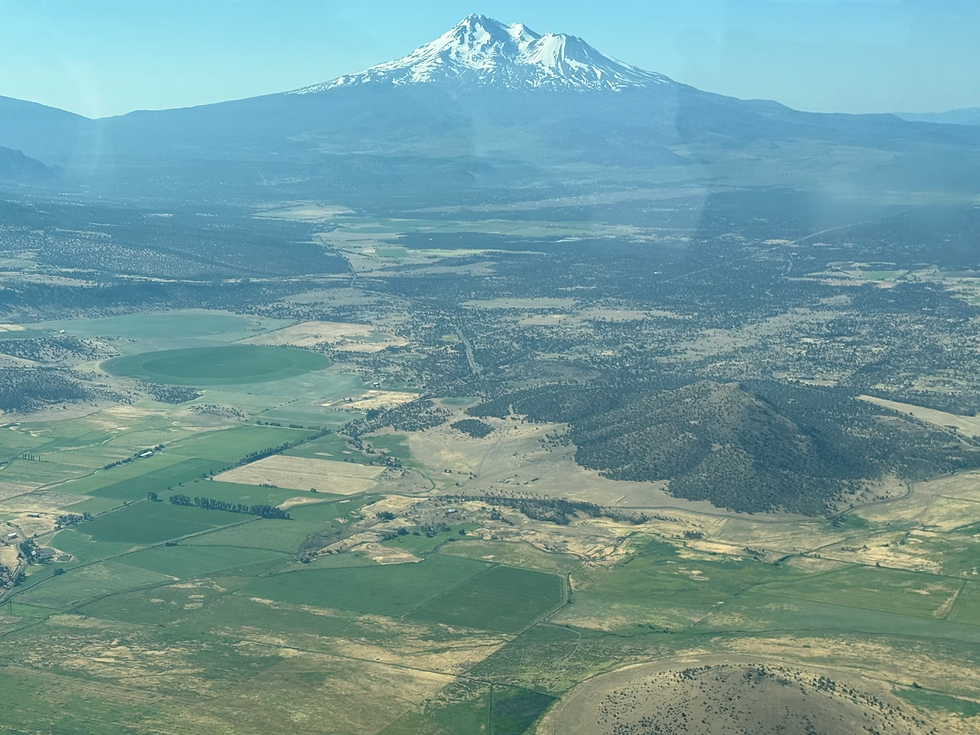
Water management in the Shasta Valley is complicated. The basin includes lava flows, fractured volcanic geology, spring systems, unique underwater plants and macroinvertebrates, critical salmon habitat, interconnected groundwater and surface water, numerous unmetered diversions, Dwinnell Dam, demands for new agricultural and domestic wells, and procedural, economic, and drought-related pressures.
There are no simple solutions, which is why it was concerning when new production wells were being approved using modeling to document less than significant CEQA determinations, using modeling, admittedly incapable of determining impacts from individual wells. Throughout this process, community groups reviewed hundreds of pages of technical reports, well records, groundwater model documentation, SGMA materials, and Public Records Act responses. What emerged repeatedly were important unresolved questions about:
cumulative groundwater demand impacts on streamflow depletion,
recharge assumptions,
groundwater/surface water interactions,
whether the model could reliably predict impacts from individual wells,
how “significance” is being defined under SGMA; and
how CEQA Exemptions were determined.
These are not abstract concerns. These new irrigation well permits directly affect whether water remains in the river for salmon, wildlife, downstream users, springs, and wetlands for future generations, and in the ground for domestic users.
Since groundwater is regulated differently than surface water, under the current in-stream flow-protective curtailment regulations, legacy farmers who have used surface water to irrigate their crops for many decades have been curtailed while new groundwater irrigators were allowed to continue pumping without restriction. The minimum instream flow requirements are intended to ensure the continued survival of imperiled salmon and other aquatic species in the Shasta River. When flows drop below the minimum instream flow requirements, salmon are left stranded from disconnected streams and perish in lethally hot or polluted waters.
A Step in the Right Direction
Siskiyou County staff engaged with us as environmental stakeholders, participated in technical discussions, and ultimately chose to rescind the well approvals, a sign of responsible governance in the hydrologically complex and politically sensitive Shasta Basin.
Work Ahead

The Shasta Basin has been challenged by problems stemming from overallocation since the last major water rush in the 1913-1930s era that saw the formation of three large irrigation districts: Big Springs Irrigation District, Grenada Irrigation District, and Montague Water Conservation District, plus Dwinnell Dam, a large berm structure and reservoir capable of delivering up to 60,000 acre feet of water.
Issues stemming from water demand have been increasingly compounded since the late 1950’s when groundwater began to be used for irrigation where surface water couldn’t be. And now water supplies are further stressed by more frequent and severe droughts and by increasing demand for water as many farmers seek to maximize irrigated acreage, get more cuttings of field crops, and new farmers are moving to the valley and applying for water rights / well permits for previously unirrigated lands. There is simply not enough water to satisfy full deliveries to all of the water rights holders in the basin and still have enough clean, cold water to ensure salmon populations survive, let alone recover.

Before new non-domestic industrial-scale water rights permits are issued, agencies need to better understand cumulative impacts in order to balance agricultural needs with river and ecosystem health so that sufficient flows remain in the river to ensure the recovery of salmon populations. Restoring that balance will necessarily be a long and difficult process, where each step counts.
One of the clearest lessons from this process is that public participation matters. Our team took the time to ask questions, review records, attend meetings, challenge assumptions, and stay engaged even when the technical details became overwhelming. That effort made a difference. The future of the Shasta River and its groundwater systems will depend on continued collaboration, transparency, and a willingness from all sides to work through difficult issues honestly and carefully. For now, this is an important step in the right direction.
Help Out

Our legal system requires that legal challenges cannot be raised until after an inappropriate action has been taken. The challenges we can successfully raise relative to the Shasta River don’t stop there; they spill over into the protection of the other rivers within Siskiyou County, and sometimes even state or nationwide. For the moment, the Shasta is the very sharp tip of the spear. If you would like to support the Shasta River Advocacy Fund to help us continue this important work, please donate here.


Comments